

























About #3 Freelance SEO (Colorado) Manifest Oct 2026

E-commerce SEO

E-commerce SEO

SEO strategy built for online stores. Product page optimization, category structure, and technical SEO that drives qualified buyers to your products.

17 Years Experience 300+ Businesses Helped 5 Stars (44 Google Reviews, Spain + Colorado Springs)

The actual SEO process

8 steps. No mystery. No confusion.

Figure out how you make money

Before touching your website: which jobs are profitable? Which calls do you want more of? How do people find you now? If I don't know what a good lead looks like, SEO turns into guesswork.

Make sure leads can be tracked

GA4 and Search Console, plus form tracking and basic lead tracking events, so we can see which enquiries came from Google. If I can't see leads turning into money, everything else is noise.

Fix what quietly costs you leads

Pages that load too slow, confusing service descriptions, missing trust signals, contact info buried or inconsistent. A small fix here often produces more revenue than months of "content."

Go after searches that mean business

Emergency and high-intent searches, location-specific searches, problem-based searches. I'd rather rank for 10 keywords that produce calls than 1,000 that don't.

Build pages people actually want to read

Service pages that answer real buyer questions, location pages that prove you're actually local, content that reduces doubt and gets the phone ringing.

Make Google trust you more

Cleaning up citations, strengthening your Google Business Profile, earning real links and mentions. No tricks, shortcuts or spam.

Watch what turns into money

Rankings get checked and traffic gets monitored, but calls and booked jobs matter most. If something brings the wrong leads, I adjust. If something works, I double down.

Straight talk

No fluff reports. "This page is working, let's expand it." "These calls aren't closing, intake needs fixing." "This keyword looks good but isn't worth the effort." If something isn't paying off, I say it.

E-commerce SEO Process
Kristian working on marketing strategy
Who you're hiring

Why should you trust me?

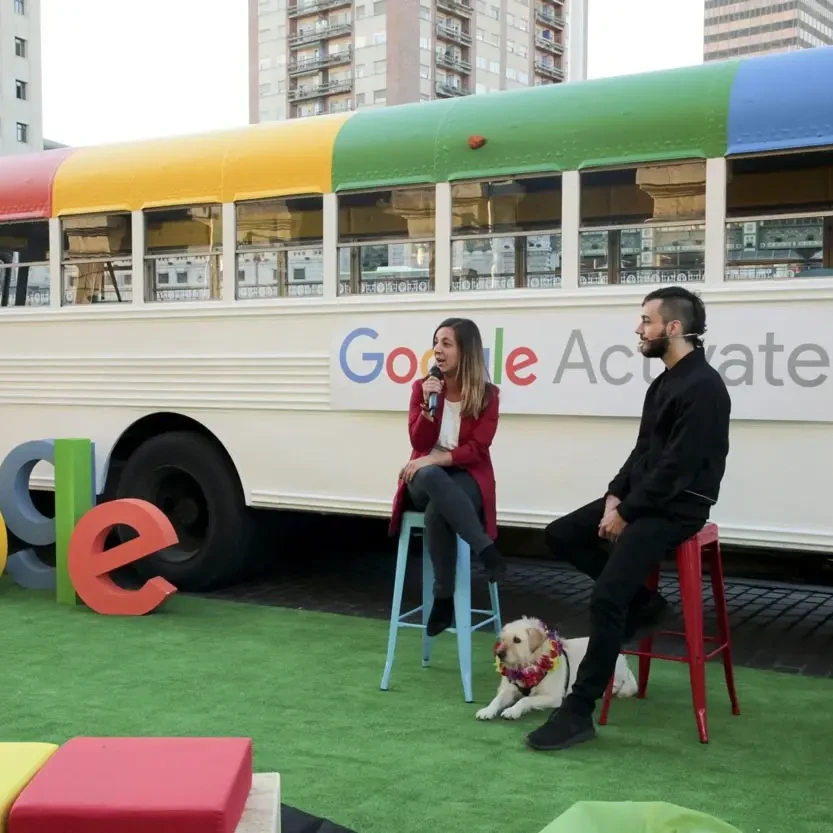
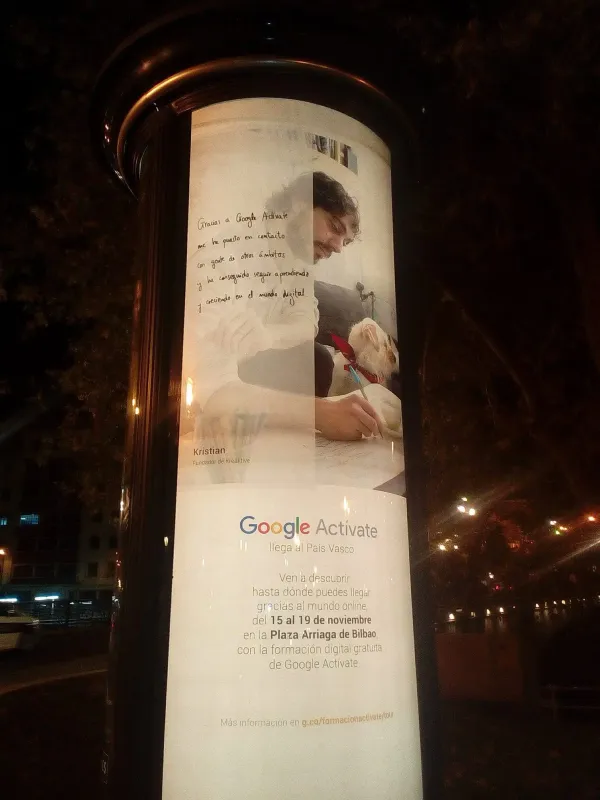
My agency was a Google ActΓ­vate success story.

I didn't learn SEO from a blog. I've worked in digital marketing for 17 years, 15 of them running my own agency. Google featured that agency, KREAKTIVE, in a Google ActΓ­vate story (screenshot, Oct 2026) after I took their ActΓ­vate digital marketing course. I moved to Colorado Springs in 2023 and brought KREAKTIVE with me (it operated as Digital Marketing Services until 2026). Today I use the same skills to get Colorado small businesses found on Google and AI search.

Kristian, featured in a Google ActΓ­vate success story

Before you hire anyone

E-commerce SEO red flags

Getting an online store to rank on Google is very different from ranking a regular website. The person you hire needs to understand how people shop online, not just how to write blog posts. Before you invest in e-commerce SEO, check for these:

They write essays on your product pages

Someone searching "buy Nike Air Max size 10" is ready to buy. They don't want to read 1,000 words. If your SEO provider is stuffing product pages with blog-style content, they don't understand how online shoppers behave.

They only optimize individual products

Your category pages ("Men's Running Shoes," "Kitchen Appliances") often bring in more search traffic than any single product. If they're only working on product pages and ignoring how your store is organized, they're missing the bigger opportunity.

Your products don't show prices and stars in Google

Search for any popular product on Google. See how some results show the price, availability, and review stars right in the listing? Those get way more clicks. If your products aren't showing that information, you're losing clicks to competitors who do.

Ask: "Can you show me how much revenue your SEO brought a client?"

Traffic means nothing if nobody buys. A good e-commerce SEO provider can show you exactly how much revenue came from organic search for a real client. If they can only show you traffic charts, they're measuring the wrong thing.

They don't mention your duplicate page problem

Every online store creates duplicate pages without realizing it. Color variations, size filters, sort options: each one can create a separate page that Google sees as a copy. If they haven't brought this up, they don't understand e-commerce stores.

Your product pages take forever to load

Online shoppers are impatient. If your product pages take more than 3 seconds to load because of uncompressed images and heavy scripts, people leave before they see the price. Ask: "How will you make my product pages faster?"

They celebrate traffic that doesn't buy

Getting 10,000 visitors who browse and leave is worse than getting 500 who buy. Ask: "How do you make sure the traffic you bring is from people ready to purchase?" If they can't answer clearly, they'll bring you window shoppers.

They don't plan for Black Friday in July

SEO takes months to build. If they're not preparing your holiday and seasonal pages months before the rush, you'll watch your competitors take all the search traffic while your pages are still too new to rank.

Results in 30 days
or your money back

Problems I solve every day

Sound familiar?

“People can't find my products on Google, so I'm spending a fortune on ads”

If your products don't show up in organic search, every sale costs you ad money. Here's how I'll break that cycle:

  • Optimize your product pages so they rank for the terms people use when they're ready to buy
  • Structure your categories so Google understands your entire catalog
  • Add the right data markup so your products show prices and reviews in search results
  • Build authority so Google trusts your store over the competition

“I get traffic to my store but nobody buys anything”

Traffic without sales usually means you're attracting browsers, not buyers. Here's how I'll fix that:

  • Shift your SEO focus to keywords people use when they're ready to purchase, not just research
  • Optimize your product pages for conversions, not just rankings
  • Fix site speed issues that cause shoppers to abandon before they buy
  • Track which search terms actually lead to sales so we double down on what works

“My competitors show up in Google Shopping but I don't”

Google Shopping results get some of the highest click-through rates in e-commerce. If you're not there, you're handing those clicks to competitors:

  • Set up and optimize your product data so Google can feature your items
  • Make sure every product has the right information: price, availability, images, and reviews
  • Fix technical issues that prevent your products from appearing in shopping results
  • Monitor performance so you know which products are gaining visibility and which need work

My tools

The tools I pay for, and the free ones from Google

I pay for both Semrush and Ahrefs and compare them, because their data sometimes really differ. I use Local Falcon for grid scans: one search, checked from many points across a service area, because when you search for your own business you'll often rank #1 simply because Google knows where you're searching from. I also pay for BrightLocal and Whitespark, two local SEO tools.

The free ones matter just as much. Semrush positions are modelled, so I confirm movement in Google Search Console before I quote a number. GA4 shows what visitors do, and PageSpeed Insights measures speed. I have no affiliate deal with any of these companies.

Google
Google Ads
Google Analytics
HubSpot
Figma
React
Node.js
Tailwind CSS
Shopify
Webflow
Vercel
Stripe
ChatGPT
Claude
Notion
Hotjar
Microsoft Clarity
Ahrefs
Semrush
Google
Google Ads
Google Analytics
HubSpot
Figma
React
Node.js
Tailwind CSS
Shopify
Webflow
Vercel
Stripe
ChatGPT
Claude
Notion
Hotjar
Microsoft Clarity
Ahrefs
Semrush
Google
Google Ads
Google Analytics
HubSpot
Figma
React
Node.js
Tailwind CSS
Shopify
Webflow
Vercel
Stripe
ChatGPT
Claude
Notion
Hotjar
Microsoft Clarity
Ahrefs
Semrush
Google
Google Ads
Google Analytics
HubSpot
Figma
React
Node.js
Tailwind CSS
Shopify
Webflow
Vercel
Stripe
ChatGPT
Claude
Notion
Hotjar
Microsoft Clarity
Ahrefs
Semrush
Google
Google Ads
Google Analytics
HubSpot
Figma
React
Node.js
Tailwind CSS
Shopify
Webflow
Vercel
Stripe
ChatGPT
Claude
Notion
Hotjar
Microsoft Clarity
Ahrefs
Semrush
Google
Google Ads
Google Analytics
HubSpot
Figma
React
Node.js
Tailwind CSS
Shopify
Webflow
Vercel
Stripe
ChatGPT
Claude
Notion
Hotjar
Microsoft Clarity
Ahrefs
Semrush

Featured E-commerce SEO Case Study

Laptop mockup of the Tabletop Tycoon store I designed in 2024: Everdell in a fantasy forest hero banner with a Buy Now $35 button, and a Best Sellers section with vine-themed borders
EcommerceRetail SEOWeb Design

E-commerce SEO Case Study: Tycoon Games' 2024 Store Redesign

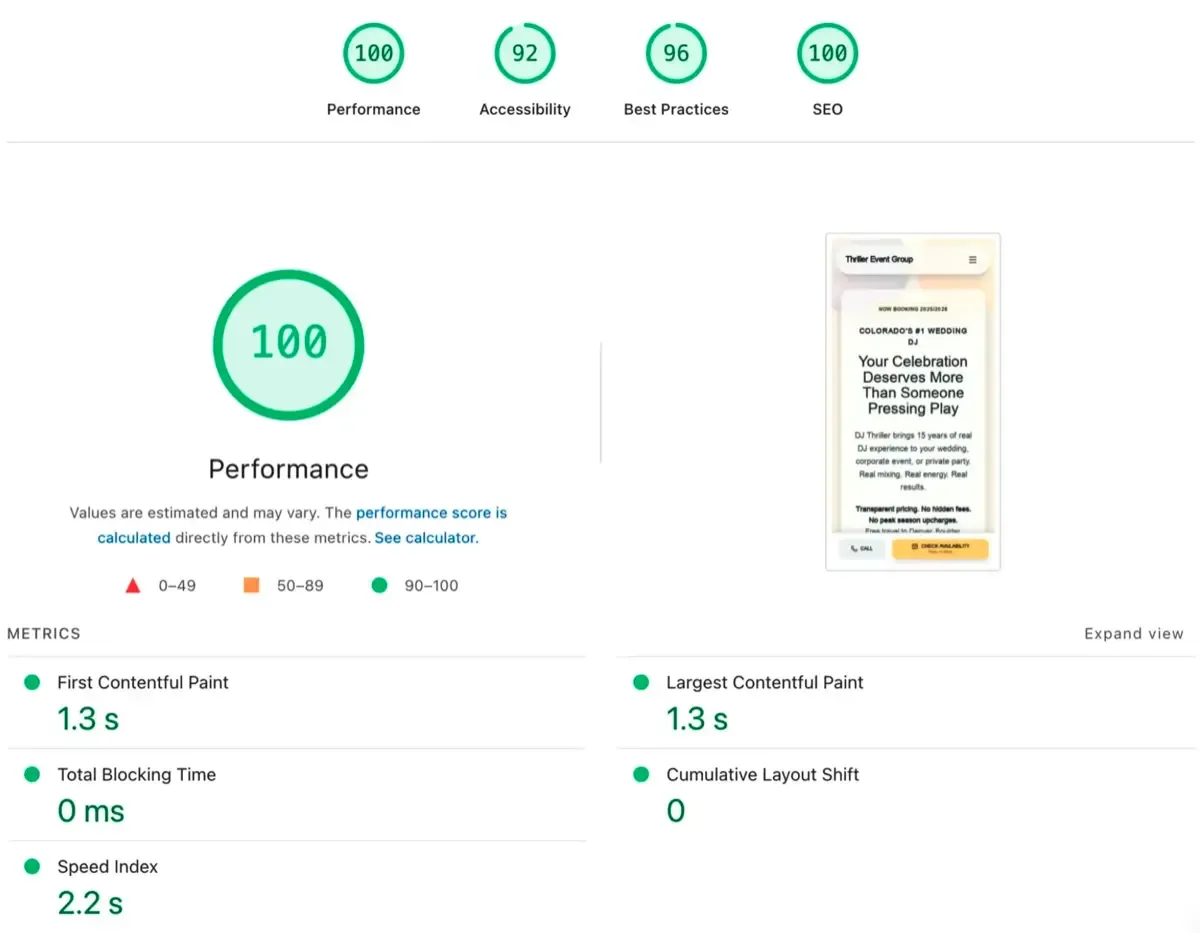
I designed Tycoon Games' online store and set its SEO strategy in 2024. See the four design decisions and dated Semrush numbers from launch. eSEO Space did the development. I did the store design (UI/UX) and the SEO strategy.

Result
My 2024 store design ran from fall 2024 to spring 2026, with no lasting drop in estimated organic traffic

179 to 215
Top-3 positions (est.)
8,732 to 9,551
Est. monthly organic visits
2,347 to 1,824
Organic keywords (est.)
View Case Study

E-commerce SEO Case Studies

Laptop mockup of the Tabletop Tycoon store I designed in 2024: Everdell in a fantasy forest hero banner with a Buy Now $35 button, and a Best Sellers section with vine-themed borders

E-commerce SEO Case Study: Tycoon Games' 2024 Store Redesign

Tycoon Games Built with eSEO Space
Londonderry SEOWeb DesignE-commerceE-commerce SEO

I designed Tycoon Games' online store and set its SEO strategy in 2024. See the four design decisions and dated Semrush numbers from launch.

My 2024 store design ran from fall 2024 to spring 2026, with no lasting drop in estimated organic traffic

1
E-commerce SEO Case Study
2
Industries
1
City
1
State
100%
Success Rate

Always Included in Every SEO Package

Articles or local pages every month Site improvements, shipped and logged Google Business Profile and reviews Competitor tracking Shared worklog of everything I do Reports against your launch baseline You own everything from day one 3-month minimum, then monthly Articles or local pages every month Site improvements, shipped and logged Google Business Profile and reviews Competitor tracking Shared worklog of everything I do Reports against your launch baseline You own everything from day one 3-month minimum, then monthly Articles or local pages every month Site improvements, shipped and logged Google Business Profile and reviews Competitor tracking Shared worklog of everything I do Reports against your launch baseline You own everything from day one 3-month minimum, then monthly Articles or local pages every month Site improvements, shipped and logged Google Business Profile and reviews Competitor tracking Shared worklog of everything I do Reports against your launch baseline You own everything from day one 3-month minimum, then monthly Articles or local pages every month Site improvements, shipped and logged Google Business Profile and reviews Competitor tracking Shared worklog of everything I do Reports against your launch baseline You own everything from day one 3-month minimum, then monthly Articles or local pages every month Site improvements, shipped and logged Google Business Profile and reviews Competitor tracking Shared worklog of everything I do Reports against your launch baseline You own everything from day one 3-month minimum, then monthly

Plans, prices, the 30-Day Proof Period and how I compare to agencies are on the SEO pricing page

Common questions

E-commerce SEO FAQs

Quick answers to help you decide.

Regular SEO optimizes a handful of service pages and blog posts. E-commerce SEO deals with hundreds or thousands of product pages, category structures, faceted navigation, duplicate content from filters, and product schema markup. The technical complexity is higher, and the strategy revolves around buying intent, not just informational searches.

Shopify, WooCommerce, BigCommerce, Magento, custom-built stores. The platform matters less than the strategy. That said, each platform has specific technical limitations and SEO quirks I account for. Shopify handles canonical tags differently than WooCommerce. Magento has layered navigation issues. I adjust the approach to fit your platform.

Yes. Product feed optimization is part of e-commerce SEO. I structure your product data for Google Shopping, Meta Catalog, and other comparison engines. Clean titles, accurate categories, proper GTINs, and optimized images make the difference between your products showing up in Shopping results or getting buried.

Unique product descriptions (not manufacturer copy-paste), proper schema markup for price, availability, and reviews, optimized title tags and meta descriptions, internal linking from relevant category pages, and image optimization with descriptive alt text. The goal is getting each product page to rank for what someone would actually type when ready to buy.

Product variations (size, color, material) create duplicate content problems that confuse Google. I use canonical tags, structured URL parameters, and proper indexation controls so Google understands which version to rank. For stores with thousands of SKUs, this alone can change how much of your catalog actually gets indexed.

That depends on your margins, average order value, and competition. I focus on keywords with buying intent, not just traffic volume. A product page ranking #1 for "buy [your product]" is worth more than 10,000 visitors from informational searches. I track revenue from organic search directly, so you see real dollar impact, not just ranking reports.

FAQ illustration

Still scrolling?

Most people who scroll this far are ready. Let's talk.

E-commerce SEO Insights & Guides

Latest articles on e-commerce seo strategy and best practices.

SEO for Beginners: Where to Start When You Know Nothing

SEO for Beginners: Where to Start When You Know Nothing

Starting from zero with SEO is overwhelming. There are hundreds of guides, tools, and opinions. Here is the actual order that works, from a 15-year practitioner who has helped businesses go from invisible to page one.

9 min read

More ways I can help

Explore Other Services

People are asking ChatGPT who to hire. Are you the answer? If not, you need:

AIO

AIO

Appear when people ask ChatGPT, Claude, or Perplexity for recommendations. The new frontier of search.

  • AI search optimization
  • Structured data markup
  • Answer-ready content
  • Brand authority building
Explore AIO

Is your website getting you new clients? Can you handle more? If not, you need:

Web Design

Web Design

Fast, beautiful websites that convert visitors into customers. Built for performance and designed to impress.

  • Custom responsive design
  • Built and speed-tested, numbers shown at launch
  • Conversion-focused layouts
  • Easy content management
Explore Web Design

People judge your business by how you look before they read a word. Do you look pro? If not, you need:

Branding

Branding

Stand out from competitors with a memorable brand identity that resonates with your ideal customers.

  • Logo & visual identity
  • Brand voice & messaging
  • Style guide creation
  • Competitive positioning
Explore Branding
Kristian Kreaktive at a Google event

Your strategist

Kristian Kreaktive

Founder & Lead Strategist at KREAKTIVE

#1 Freelance Digital Strategy Expert on Clutch (Oct 2026). 17 years in digital marketing, 15 of them running his own agency, building websites and SEO strategies that bring real results for small businesses.

#1 Freelance Digital Strategy Expert (Oct 2026) Ranked #1 Freelance Digital Strategy Expert on Clutch, Oct 2026 #3 Freelance Web Designer (Oct 2026) Ranked #3 Freelance Web Designer on Clutch, Oct 2026 Featured by Google Google ActΓ­vate Success Story (Google) 5.0 Google rating from 44 Google reviews: 24 on the KREAKTIVE profile (Spain) and 20 on the DMS profile (Colorado Springs)
Learn more about my approach

Results in 30 days or your money back. Before you pay a cent, I put in writing exactly what I'll ship.